


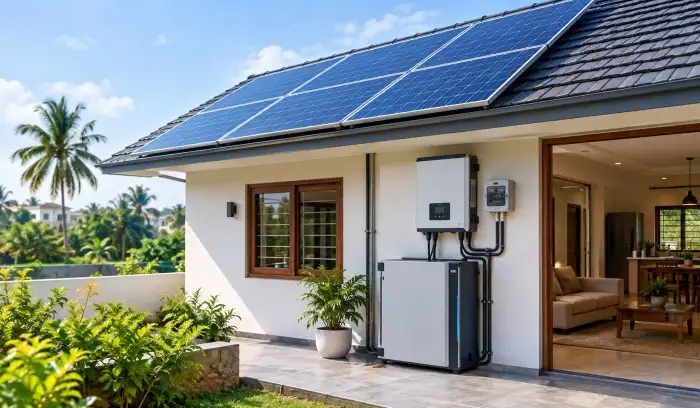
Battery Storage for Off-Grid Solar: Costs, Types, Sizing and Best Options
Think about your solar panels at night. They sit there doing nothing. The sun is gone, so the power is gone too. That is where battery storage for off-grid solar comes in. It soaks up the extra power your panels make during the day. Then you use that power when you need it. No sun? No problem. Your home still has electricity.
In this article, I will walk you through the battery types that work, what they cost in India right now, and how to figure out the right size for your house. I will also share real prices from brands like Tata Power and Ola Electric. By the end, you will know exactly what to buy and what to skip.
What Battery Do You Need?
The best battery for off-grid solar is a lithium iron phosphate (LiFePO4) battery. It lasts longer, holds more usable power, and needs no maintenance compared to old lead-acid types. For a small home, expect to spend around ₹1,00,000 to ₹2,50,000 for a good lithium battery system, depending on how much backup you want.
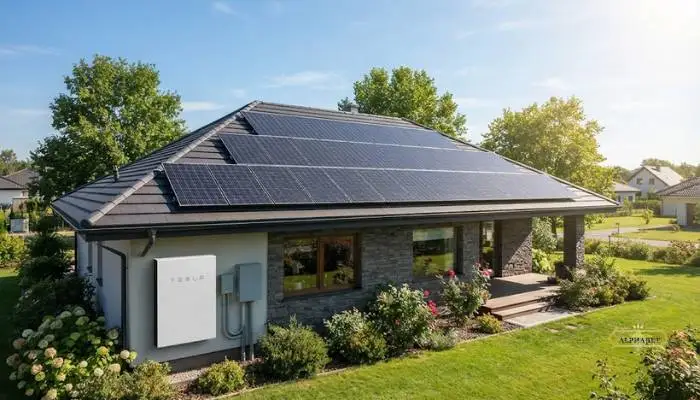
Why Off-Grid Solar Needs Battery Storage?
Solar panels only make electricity when the sun shines. At night, you get nothing. On cloudy days, you get very little. A battery solves this problem. It stores extra power during sunny hours so you can use it later.
For off-grid systems, batteries are not optional. They are required. Without storage, your home has no power after sunset or during bad weather. This is the biggest difference between off-grid and on-grid solar. On-grid systems can send power to the grid and pull it back later. Off-grid systems must store everything themselves.
Read More: AI Technology for Energy Access: Powering Remote Areas
Types of Batteries for Off-Grid Solar
Not all batteries work the same way. Here are the main types you will find today.
Lithium Iron Phosphate (LiFePO4) – The Best Choice
This is the most popular battery for off-grid solar now. It has several clear advantages.
- Usable capacity: You can use 85–95% of the battery's power before recharging. Older batteries only let you use half .
- Cycle life: A good LiFePO4 battery gives 4,000 to 6,000 charge cycles. That is more than 10 years of daily use .
- Efficiency: These batteries waste very little energy. They are 95% efficient or better. Lead-acid batteries waste 15–20% as heat .
- Maintenance: There is none. No water to add. No checks needed .
- Safety: LiFePO4 is very stable. It does not catch fire easily. It handles heat better than other lithium types .
Lead-Acid Batteries – The Old Standard
Flooded lead-acid and sealed AGM/Gel batteries have been used for decades. They are cheaper upfront. But they have real drawbacks.
- Usable capacity: You can only use about 50% of the rated power without damaging them .
- Cycle life: Expect 500 to 1,500 cycles. That is roughly 2–4 years of daily cycling .
- Maintenance: Flooded batteries need regular watering. They release gas and need good ventilation .
- Efficiency: They waste about 20% of the energy you put in .
Other Types
Nickel-Iron and saltwater batteries exist. They are tough and last long. But they are bulky and hard to find. They cost more too. Most off-grid homes skip them.
Best Battery Storage for Off-Grid Solar: Top Options in India
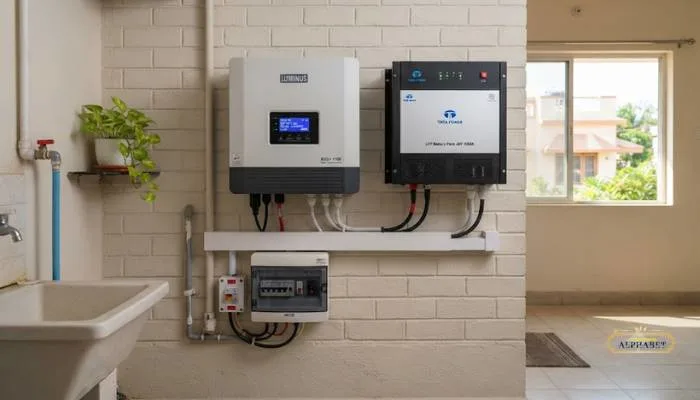
Here are some real products you can buy today.
Tata Power MySine Series
Tata Power offers several home battery options. They use LiFePO4 technology and come with 8-year warranties .
| Model | Capacity | Best For |
|---|---|---|
| MySine | 5 kWh | Small homes, basic backup |
| MySine PowerHub | 10/15/20 kWh | Large homes, schools, petrol pumps |
| Prime | 5 kWh | Modern homes, automatic switching |
| Prime Plus | 10–60 kWh | Homes and businesses that need zero downtime |
These systems switch to battery power in less than 10 milliseconds. That is faster than you can blink . Tata Power has service centers in over 700 cities .
For a 10 kWh Tata MySine PowerHub, expect to pay between ₹2,00,000 and ₹2,50,000 before subsidies .
Ola Electric Shakti Gen2
Ola Electric entered the home battery market in 2026. Their Shakti Gen2 comes in two sizes :
- 4.6 kWh model: ₹99,999
- 9.2 kWh model: ₹1,74,999
These are introductory prices. Deliveries started in November 2026 . The system includes solar storage and backup in one unit.
Pytes V5 (For Cold Climates)
If you live in a very cold area, the Pytes V5 has built-in heating. It keeps working even in freezing temperatures. The 5.12 kWh unit costs around $2,066 (about ₹1,70,000) and gives 6,000 cycles with a 10-year warranty .
SolaX AEGIS
SolaX launched the AEGIS in 2026. It is an all-in-one unit with 16 kWh of storage and a 6 kW or 8 kW inverter. It includes fire suppression and works with generators. It is designed for areas with weak grids or no grid at all .
Battery Storage for Off-Grid Solar Cost: What to Expect
The cost of battery storage depends on three things: how much power you need, what type of battery you buy, and where you live.
General Price Ranges
| Battery Type | Cost per kWh (approx.) |
|---|---|
| Lead-Acid | ₹8,000 – ₹12,000 |
| LiFePO4 | ₹15,000 – ₹25,000 |
For a typical off-grid home, you need 10–15 kWh of storage. That means:
- Lead-acid system: ₹1,00,000 – ₹1,80,000
- LiFePO4 system: ₹1,50,000 – ₹3,75,000
Yes, lithium costs more upfront. But it lasts 3–5 times longer. The cost per year of use is actually lower .
Tata Power Solar Battery Price List
Here are known prices for Tata Power storage products :
| Product | Price |
|---|---|
| Tata Solar Venus 15L | ₹4,500 |
| Tata Solar Venus 75L | ₹5,000 |
| Tata MySine PowerHub 10kWh | ₹2,00,000 – ₹2,50,000 |
| Tata Off-Grid Rooftop Solution (per kW) | ₹90,000 |
The small Venus and Diva models are for tiny loads like lights and small fans. The MySine PowerHub is a full home battery.
Note: Subsidies under the PM Surya Ghar scheme can reduce your cost by ₹30,000 to ₹78,000 .
Hidden Costs to Plan For
The battery is not the only cost. You also need:
- Inverter/charger: Converts battery DC power to home AC power
- Charge controller: Manages how solar panels charge the battery
- Wiring and mounting: Cables, racks, and safety gear
- Installation: Labor costs vary by location
These extras can add ₹30,000 to ₹80,000 to your total.
How to Choose the Right Battery Size?
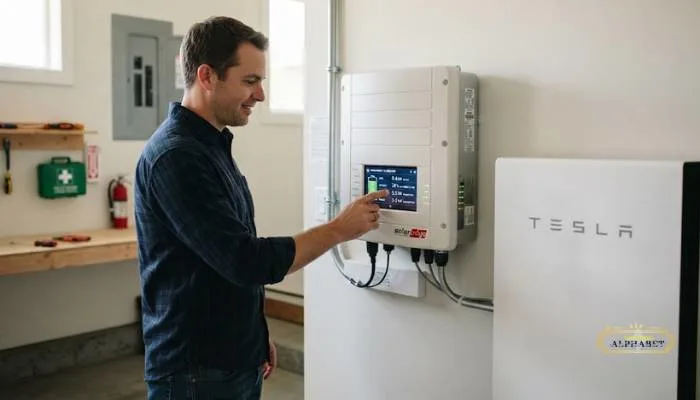
Getting the size right is critical. Too small and you run out of power. Too big and you waste money.
Step 1: Add Up Your Daily Use
Look at your electricity bill or check your appliances. A small off-grid cabin might use 3–6 kWh per day. A full home might use 10–15 kWh per day .
Step 2: Decide Your Backup Days
How many cloudy days do you want to cover? One day is minimum. Two to three days is safer. Multiply your daily use by your backup days.
Step 3: Account for Usable Capacity
Lead-acid batteries only give you 50% usable power. Lithium gives 85–95%. If you need 10 kWh of usable power:
-
Lead-acid: Buy 20 kWh rated capacity
-
LiFePO4: Buy 11–12 kWh rated capacity
Step 4: Check Voltage
Small systems use 12V or 24V. Larger home systems use 48V. Higher voltage means less wiring loss and better efficiency.
Solar Battery Storage System for Home: Key Features to Look For
When shopping for a home solar battery, check these features.
Battery Management System (BMS)
The BMS is the brain of the battery. It protects against overcharging, overheating, and deep discharge. It also balances the cells. Every good lithium battery has one .
Depth of Discharge (DoD)
This tells you how much of the battery you can safely use. Look for 80% or higher for lithium. Avoid batteries that only allow 50%
Round-Trip Efficiency
This is how much energy you get back compared to what you put in. Look for 90% or higher. Lead-acid is usually 80% .
Cycle Life and Warranty
Cycle life is the number of charge/discharge cycles before capacity drops. Look for at least 4,000 cycles. The warranty should match. A 10-year warranty is standard for good LiFePO4 batteries .
Temperature Performance
Batteries hate extreme heat and cold. If you live in a hot area, look for good cooling. If you live in a cold area, look for built-in heating. The Pytes V5 and some Tata models have heating options .
Scalability
Can you add more batteries later? Modular systems let you start small and grow. Look for batteries that can be connected in parallel .
You May Also Read: How to Improve Energy Access in Remote Areas: Sustainable Community Solutions
Solar Storage Battery Price: What Affects the Cost
Several things change the price you pay.
- Capacity: Bigger batteries cost more. The price per kWh usually drops as you buy more.
- Chemistry: Lithium costs 2–3 times more than lead-acid upfront. But it lasts longer.
- Brand: Tata Power and Ola are premium brands in India. They cost more but have better service networks.
- Location: Remote areas have higher installation costs. Shipping batteries is expensive.
- Subsidies: Government schemes can cut your cost significantly. Always check what you qualify for.
- Time of purchase: Prices are falling. A battery that cost ₹3,00,000 two years ago might cost ₹2,00,000 today.
Final Thoughts
Battery storage for off-grid solar is the key to true energy independence. Without it, you only have power when the sun shines. With it, you have power day and night.
Lithium iron phosphate batteries are the clear choice today. They last longer, hold more usable power, and need zero maintenance. Tata Power, Ola Electric, and Pytes all offer solid options for Indian homes. Prices range from ₹1,00,000 for a small system to ₹2,50,000 or more for a full home setup. Subsidies can bring those numbers down.
Size your system carefully. Add up your daily use. Plan for cloudy days. Buy from a brand with good service in your area. Do these things, and your off-grid solar system will keep your lights on for years to come.
FAQs
1. How many batteries do I need?
Check your power bill. Find your daily units. A small cabin uses 5. A full home uses 15 or more. Now pick your backup days. One day is minimum. Two is safer. Multiply daily use by backup days. Add a small cushion. Done.
2. Can I go fully off-grid?
Yes. But it costs more than staying connected. Most folks keep the grid as backup and add batteries for outages. Full off-grid makes sense when your land sits far from power lines. Line quotes run 4 to 6 lakh. Batteries win there.
3. Why is lithium pricier than lead-acid?
Upfront, yes. Over ten years, no. Lithium gives 90% usable power. Lead-acid gives half. Lithium runs 4,000 to 6,000 cycles. Lead-acid runs 500 to 1,500. No water checks either. The yearly cost favors lithium.
4. How long do batteries last?
LiFePO4 runs 10 to 15 years. Lead-acid runs 3 to 7. Heat and cold kill them early. Keep them shaded. Keep air moving. Cold area? Buy one with a heater. Pytes V5 has it. Some Tata models do too.
5. Can I add batteries later?
Yes, if the system allows parallel connections. Then you stack more when needed. One rule. Do not mix old and new cells. They age differently and drag each other down. Same brand. Same model.
6. What inverter size do I need?
Add up watts of everything running at once. Fridge, lights, TV, pump. That total sets the size. 5 kVA covers small homes. 10 kVA covers bigger ones. Leave headroom. Running flat out all day shortens its life.
7. Do batteries need maintenance?
Lithium needs almost none. Check connections once a year. Keep it cool and dry. That is it. Flooded lead-acid is work. Water checks monthly. Equalize a few times a year. Needs vents for gas. This is why people switch.
8. Will a battery run my AC?
Depends on size. A 5 kWh battery will not run a 1.5-ton AC long. That AC pulls 1,500 to 2,000 watts. Want AC backup? Go 10 kWh or more just for it. Check your inverter handles the surge. A soft-start kit helps.