


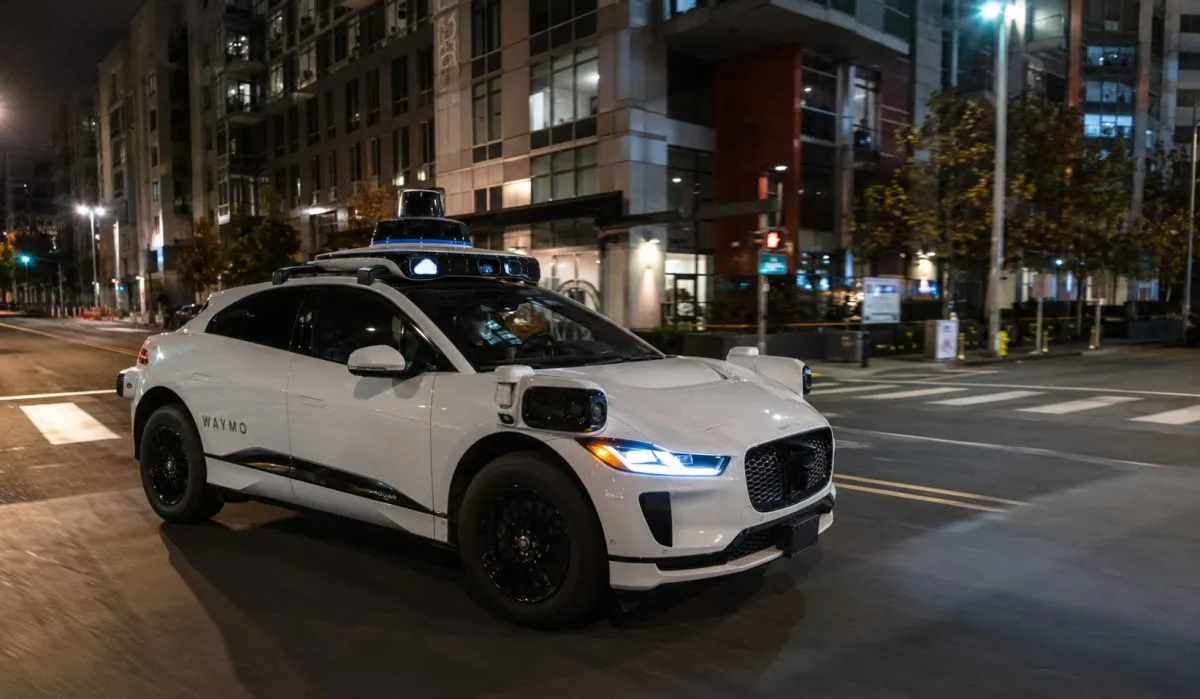
Waymo Safety System: How Self-Driving Cars Prevent Crashes
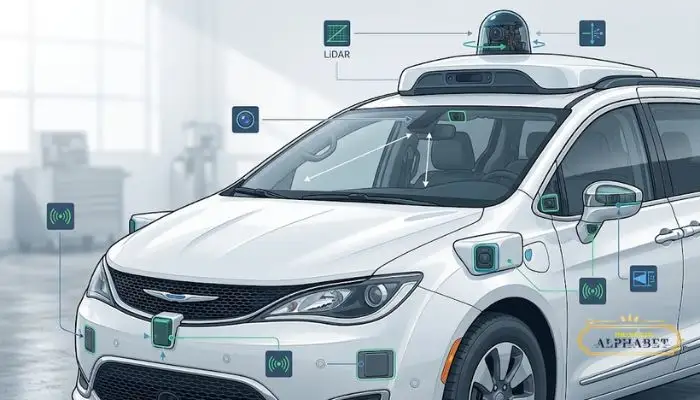
3 cameras, radar, and lidar sensors are used to make up Waymo's safety system, and they all provide information to the vehicle about its surroundings. These sensors detect other vehicles, pedestrians, cyclists and obstacles approaching from all directions. This data is fed into the system as it is gathered so that it can make decisions while driving, which in some cases are quicker and more safe than those of humans.
Waymo vehicles obey traffic laws, don't let their screens catch their attention, and respond automatically to threats. This technology has already been proven to have been used in the production of millions of miles of roadway usage within the public roadway, and in many cases, the self-driving car has been safer than the human driver.
What Makes the Waymo Safety System Work?
The Three Main Sensors
The Waymo Driver uses three types of sensors that work together:
Cameras see traffic lights, road signs, and lane markings. They can see in the dark and in bright sunlight. The latest cameras have 17-megapixel resolution, which is much better than standard car cameras.
Lidar uses laser beams to create a 3D picture of everything around the car. It works even in rain and snow. The lidar system can see things up to 500 meters away.
Radar tracks the speed and distance of objects. It works in all weather and lighting conditions. Radar helps the car know how fast other vehicles are moving.
The system also has external audio receivers that listen for emergency sirens and train crossings. This helps the car hear emergency vehicles before it sees them.
Read More: Waymo 2026 Market Expansion Atlanta Austin: Maps and Prices
How the System Sees Everything
The Waymo safety system gives the car a 360-degree view of its surroundings. It sees in all directions at once, which humans cannot do. The sensors are placed around the vehicle so there are no blind spots.
When the car detects something, it measures distance, speed, and direction. The computer then decides what to do, like brake, turn, or slow down. This all happens in fractions of a second.
Is Waymo Safe at Night?
Yes, Waymo is safe at night. The system works equally well in darkness as it does in daylight. Here is why:
The cameras have excellent low-light sensitivity. They can pull details out of shadows and handle the glare of oncoming headlights. Lidar makes its own light with lasers, so it doesn't need external light to see. Radar also works perfectly in the dark.
Waymo's cars have driven millions of nighttime miles across cities like Phoenix, San Francisco, and Austin. The safety data shows no difference between day and night performance.
Waymo Accident Rate vs Human
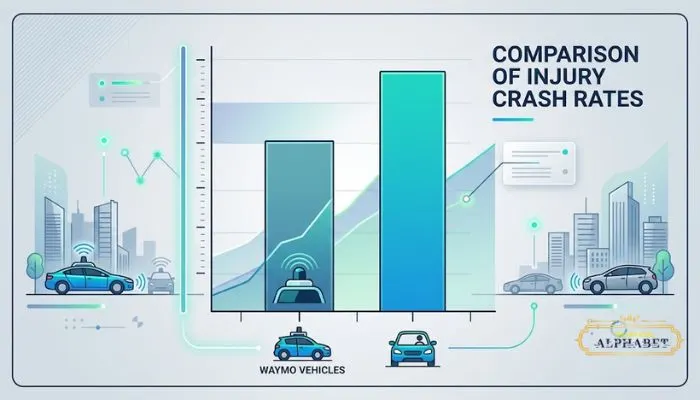
The numbers show a clear picture. Waymo has a much lower accident rate than human drivers.
The Key Statistics
Waymo has driven over 170 million miles without a human driver. During this time, the safety record is impressive:
- 92 percent fewer serious injury crashes than human drivers
- 83 percent fewer airbag deployment crashes
- 82 percent fewer injury-causing crashes
These numbers mean Waymo vehicles are involved in far fewer crashes that hurt people.
Breaking Down the Crash Types
A peer-reviewed study looked at 56.7 million Waymo miles and 11 types of crashes. The results showed:
- Intersection crashes dropped by 96 percent. These are some of the most common and dangerous crashes involving human drivers.
- Pedestrian injury crashes dropped by 92 percent. Waymo cars are very good at spotting and avoiding people walking.
- Cyclist injury crashes dropped by 85 percent.
- Motorcycle injury crashes dropped by 81 percent.
The study found no crash type where Waymo performed worse than humans. Every category showed improvement.
Waymo Safety vs Human: The Real Numbers
Comparing Injury Rates
In all cities where Waymo operates, the injury crash rate is lower than the human benchmark:
- In Phoenix: 70 percent fewer injury crashes
- In San Francisco: 89 percent fewer injury crashes
- In Los Angeles: 64 percent fewer injury crashes
- In Austin: 80 percent fewer injury crashes
For serious injuries, the numbers are even better:
- All locations combined: 92 percent reduction
- Los Angeles and Austin: 100 percent reduction (zero serious injury crashes)
- San Francisco: 91 percent reduction
- Phoenix: 86 percent reduction
Airbag Deployment Reduction
Airbag deployment shows crash severity. Waymo vehicles have far fewer airbag events than human-driven cars:
- All locations: 83 percent fewer airbag deployments in any vehicle
- Waymo vehicles specifically: 95 percent fewer airbag deployments
Protection for Vulnerable Road Users
Waymo is especially good at protecting people outside cars:
- 92 percent fewer pedestrian injury crashes
- 85 percent fewer cyclist injury crashes
- 81 percent fewer motorcycle injury crashes
The League of American Bicyclists partnered with Waymo after testing the vehicles. They found the cars see cyclists in ways humans cannot. Waymo cars give cyclists at least three feet of space when passing.
You May Also Read: How Waymo Driverless Cars Are Changing Travel in Phoenix
How Waymo Proves Its Safety?
The Twelve Safety Criteria
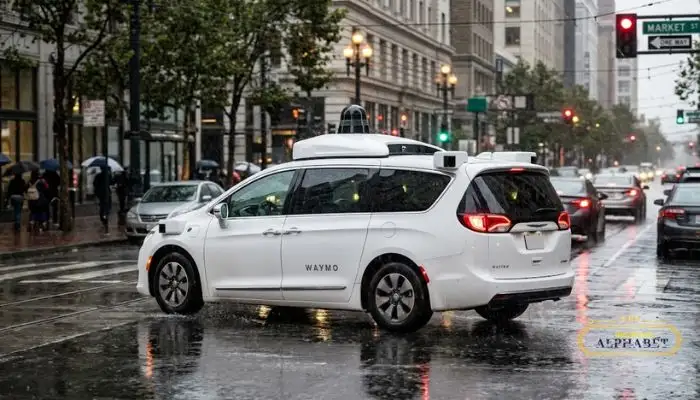
Waymo uses twelve specific criteria to decide if a vehicle is ready for the road. They check things like:
- Does the car meet safety requirements?
- Does it perform well in the places where it will drive?
- Are known risks reduced or eliminated?
- Are there systems to catch new problems?
The company has a Safety Board that reviews everything before any new deployment. This board includes outside experts.
Independent Verification
Waymo's safety data has been checked by independent experts. The Insurance Institute for Highway Safety (IIHS) and reinsurance company Swiss Re have reviewed the numbers. Swiss Re found an 88 percent reduction in property damage claims and a 92 percent reduction in bodily injury claims compared to human drivers.
What the Data Really Means?
Comparing autonomous cars to human drivers can be tricky. Waymo must report every crash, even minor fender benders. Many human crashes go unreported. The National Highway Traffic Safety Administration estimates 60 percent of property damage crashes and 32 percent of injury crashes are not reported to police.
Waymo reports everything. This means the comparison likely understates how much safer Waymo really is. If human crash reporting were as complete as Waymo's, the difference would be even larger.
Where Waymo Still Has Challenges?
The London Testing Issue
Not everything has been perfect. In London, residents complained about Waymo test cars making loud reversing sounds at night. The cars got stuck on a dead-end street and would wake people up at 5:30 AM. Waymo apologized and blocked the roads from the system.
This shows the technology is still learning, especially in new cities with different layouts.
Pickup Reliability Questions
Some riders have experienced pickup location changes. One TikTok user had a Waymo change its pickup spot four times before arriving. The car eventually came, but the experience was confusing.
This touches on what safety really means. The car was safe, but it wasn't reliable in the way people expect. Waymo still has room to improve on user experience.
The Bottom Line on Waymo Safety
Waymo is safer than human drivers. The evidence is clear and comes from millions of miles on real roads. The company uses a sophisticated multi-sensor system that sees better than humans in all conditions.
The safety data shows dramatic reductions in crashes, especially those causing injuries. Waymo performs better in every crash type studied. The car works well at night, in bad weather, and in complex city environments.
No technology is perfect. Waymo has had issues with noise and pickup reliability. But on the most important metric avoiding crashes and injuries, the system outperforms human drivers.
The question is Waymo safe has a clear answer based on real data. The safety system works. It protects people inside and outside the vehicle. It is already making roads safer in the cities where it operates.
FAQs
How does Waymo compare to human drivers?
Waymo has 92 percent fewer serious injury crashes than human drivers. It also has 83 percent fewer airbag deployments and 82 percent fewer injury crashes overall. The company has driven over 170 million miles to prove these numbers.
Does Waymo have self-driving accidents?
Yes, Waymo has been in crashes. But the rate is much lower than human drivers. Most Waymo crashes are minor. The car has far fewer serious crashes causing injuries or airbag deployment.
Can Waymo drive in bad weather?
Yes. The 6th-generation Waymo Driver is designed for rain, snow, fog, and extreme heat. The sensors have cleaning systems to keep them clear. Radar and lidar work in weather where cameras struggle.
How does Waymo see cyclists and pedestrians?
Waymo uses a 360-degree sensor system. It spots cyclists from all directions, including those approaching from behind parked cars. The car gives cyclists space and warns passengers before opening doors near bike traffic.
What cities does Waymo operate in?
Waymo operates in Phoenix, San Francisco, Los Angeles, and Austin. The company has also tested in London and other cities. They continue to expand to new locations.