


How to Improve Energy Access in Remote Areas: Sustainable Community Solutions
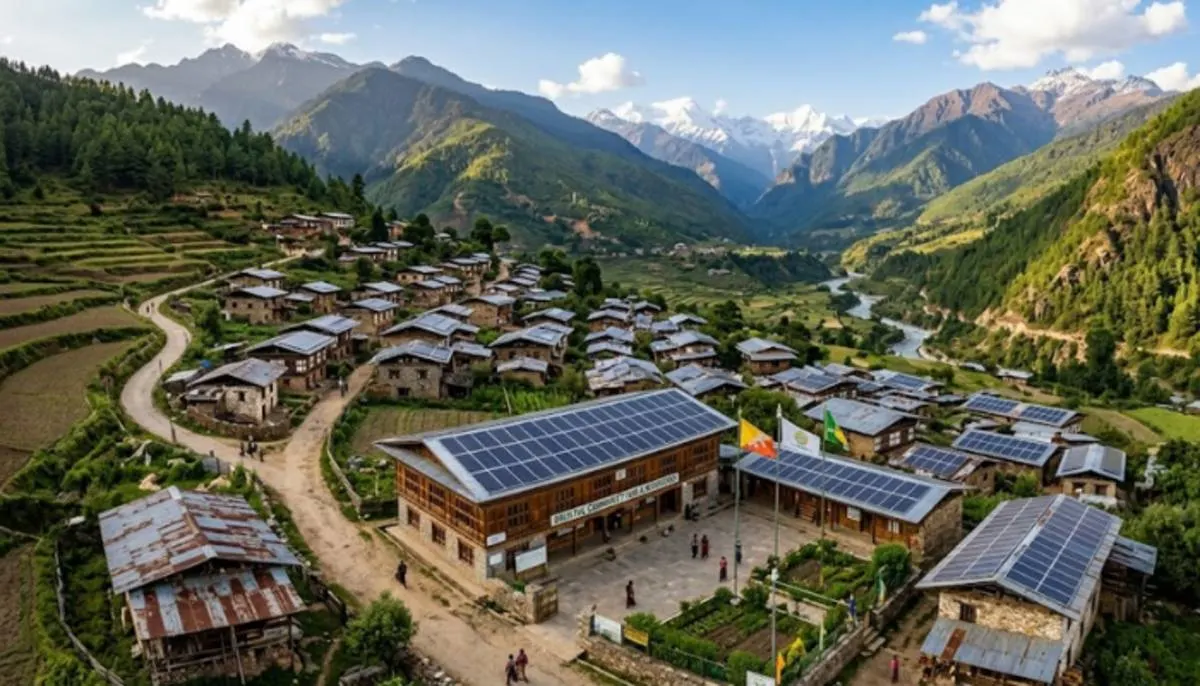
There are an estimated 750 million people in the world that are still without electricity. Most of them are in remote villages or islands or in mountainous regions which are not accessible by the large power lines. This shouldn't be a minor annoyance. If there is no power, children can't study at night. Without refrigeration, there is spoilage of food. Health clinics don't have the capacity to keep life-saving medicines. However, new approaches are coming along that are not grid extension dependent.
Solar systems and small wind turbines are being developed locally. They are driving their own energy future. This article will discuss the possibilities of how to improve energy access in remote areas through community-led projects that are practical, sustainable, and life-changing.
Why the Old Way Does Not Work?
In most countries electric energy is generated from large power plants. The electric current is conducted along long wires supported by high towers to cities and towns. This system is good for areas with a high population density. However, if one attempts to create these wires to small villages in the mountains or on islands, the price is very high. You have to build hundreds of miles of new lines. You have to cut through forests and cross rivers. For a community of only a few hundred families, the cost is just too high .
In places like Mae Hong Son in Thailand, the government has tried for years to connect all villages to the national grid. But more than 20 percent of villages still have no power . The land is too rugged. The villages are too spread out. And in many cases, the villages are in protected forests where building new power lines is not allowed .
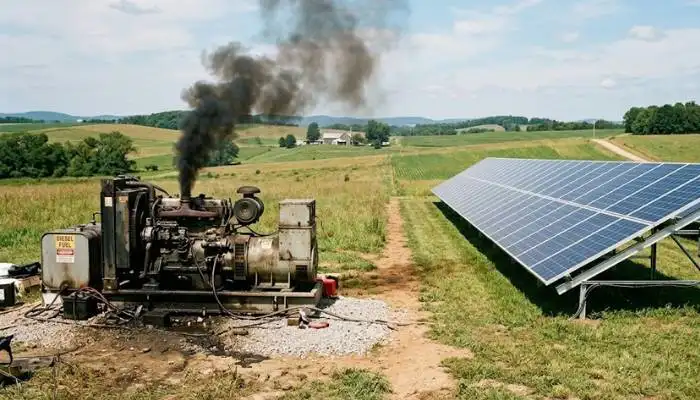
Because of these problems, many remote communities have to use diesel generators. These are machines that burn fuel to make electricity. They are loud and they give off dirty smoke. The fuel has to be brought in by truck or boat, which makes it very costly. Many families can only run their generators for a few hours each day .
This is not a good way to live. It keeps people poor. It keeps children from learning. It makes it hard for anyone to start a business. And it is bad for the environment.
Read More: Renewable Energy for a Safer, Prosperous Tomorrow
A Better Way: Community Energy
Instead of trying to bring power from far away, more and more people are deciding to make power right where they live. This is called community energy. The community puts up solar panels or small wind turbines. They make their own electricity. They own the system and they run it themselves .
This idea is spreading fast. In Colombia, the government started a program called "Energy Communities" in 2023. The goal was to bring power to off-grid areas by putting communities in charge . By 2024, there were already about one hundred of these energy communities across the country .
Here is what some of them have achieved.
Power for Fishing and Tourism
In the La Plata Archipelago, near the coast of Colombia, there are a group of islands. They are surrounded by beautiful rainforest and coral reefs. Whales come every year to have their babies in the warm water. It is a special place.
But for a long time, the people who lived there had no reliable power. They used diesel generators for only four hours each evening. That was it. Four hours to charge phones, run lights, and keep a little bit of food cold .
In 2025, that changed. A solar-powered mini-grid was installed. It has solar panels that catch the sun's energy during the day and store it in batteries. There is also a backup diesel generator in case the sun does not shine for a few days. Now, almost three hundred families have power all day and all night .
The fishing industry has grown stronger because fish can now be kept cold. Tourism businesses can offer lights and fans to their guests. People can work longer hours and earn more money.
Solar Power for Farming
In a place called Natagaima in Colombia, there is a community called Tamirco. The people there run a fish farm. They raise fish to eat and to sell.
Before, they had no power for the farm. They could not pump water for the fish. They could not keep the fish cold after they were caught. A lot of fish went bad before they could be sold.
Now, they have twenty solar panels on their land. The panels power a pump that brings up clean water from a deep well. They also power four refrigerators that keep the fish fresh. There are even lights over the fish ponds to keep animals from eating the fish at night .
The community came together to make this happen. They formed a cooperative and started putting a little money aside from every fish sale. Five percent of all their fishing money goes into a fund. This fund pays for keeping the solar system working . They do not depend on the government or outside groups to keep their power on. They do it themselves.
Lessons from Spain
This idea of community energy is not just for poor countries. In Spain, there is a small village called La Serna. It only has 120 people. Many small villages in Spain are losing people because young people move to the cities for work.
The people of La Serna decided to fight back. They put solar panels on the roof of an old farm building. The panels make enough power for all the streetlights and public services in the village. Ninety out of the 120 villagers own a share of the project .
The village saved so much money on its electricity bills that it could hire a new worker. Young people see that there is a future in the village. The project has won national awards. And now, mayors from other small towns come to La Serna to learn how they did it .
Productive Use: Making Power Pay for Itself
Many people think that bringing electricity to a village is the end of the story. But it is really just the beginning.
The real benefit comes when people use electricity to earn money. This is called "productive use of energy." It means using power to run a business, process food, or make goods to sell .
Here are some examples of productive use in action.
In the Caribbean part of Colombia, there is a town called Mingueo. Many people there earn their living by driving motorcycles. They carry passengers or deliver goods around town.
They used to spend a lot of money on gasoline. Now, the community has a solar charging station. People can plug in their electric motorcycles and charge them with clean, free energy from the sun .
There is also a workshop nearby where old gas motorcycle engines are changed into electric ones. Local people have been trained to do this work. They have new jobs and new skills. The community charges the motorcycles, earns money from the charging, and keeps the money in the village instead of spending it on imported fuel .
In Ghana, researchers studied three rural island communities that got solar mini-grids. They found that the benefits went far beyond just having lights .
People could buy electric fans. This helped them stay cool during hot weather, which is getting worse because of climate change. Women no longer had to spend hours collecting firewood for cooking. This saved their time and their health. And because the streets were lit at night, there was less crime. Children could play outside safely .
In all of these cases, the solar power did not just help one family. It helped the whole community. It created new income. It kept people safer and healthier. It gave people dignity.
The Hidden Problem: Keeping Systems Running
Here is something that many people do not talk about. Around the world, a lot of solar systems in remote areas stop working after only a few years.
The panels might be fine. But the batteries wear out. Something breaks and there is nobody who knows how to fix it. Spare parts are hard to get. The system sits there, useless, until a new donor comes with money to replace it .
One World Bank official put it bluntly: "We expect that the doctors will also cure solar systems and replace the batteries. Within two to three years, it stops working, then new donors come in with new money to fund the same systems" .
This is a big problem. And it happens because of something called "operation and maintenance" or O&M. Many projects focus on building the system. They do not think enough about how it will be kept running over the long term.
In the San Bernardo Archipelago in Colombia, a solar system was installed in 2015. It was refurbished in 2021. But there were problems again because the private company in charge of maintenance did not do a good job. The batteries failed. The inverters broke. The diesel supply was irregular. The system kept going down .
In another case, communities in Colombia were given only three months of training on how to run their new power systems. Many people said this was not enough. The systems are complex. You need to know more than just how to turn them on and off. You need to understand how to fix things when they go wrong .
This is not just a problem in Colombia. In Nigeria, a survey found that 78 percent of people working in off-grid solar said that a lack of technical skills was the main thing holding them back . In Ethiopia, Malawi, and Mozambique, researchers found that after the initial installation, many communities are left alone with no support to keep their systems going .
Building Systems That Last
We need to change how we think about energy access. It is not enough to install solar panels and walk away. We need to think about the whole life of the system from the very beginning .
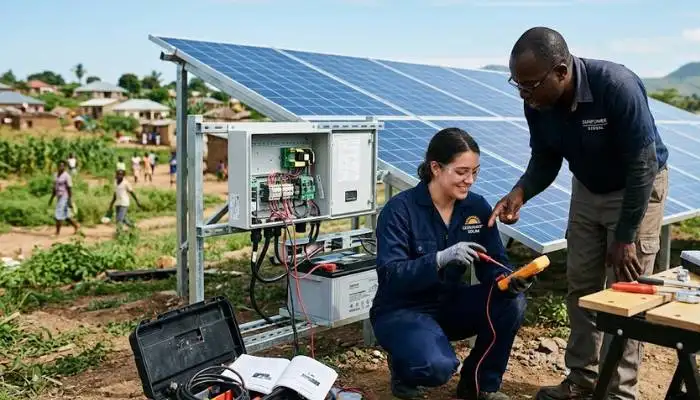
First, communities need better training. Not just three months. Ongoing training that helps people learn how to fix problems as they come up. This includes not just technical skills, but also how to manage money and how to govern the energy system fairly .
Second, there need to be clear plans for maintenance. Who is responsible? How will spare parts be bought? Where will the money come from? Some communities, like the Tamirco fish farmers in Colombia, have set up their own funds to pay for maintenance . This is a great model. The community takes ownership not just of the power, but of the responsibility to keep it running.
Third, the systems need to be designed with local people in mind. In East Africa, researchers found that community-led projects work best when they are embedded in local governance structures. The people who live there know the local challenges and needs better than any outsider . When they are in charge, they build solutions that fit their own lives.
Fourth, governments need to make it easier for communities to start and run energy projects. In some places, like Thailand, villages in protected forests cannot get permits to install solar panels . The rules were made to protect the environment, which is good. But they also block projects that would be good for people and for the climate. Governments need to find a balance.
The Big Picture: Energy and Climate
Bringing power to remote villages is not just about helping people have better lives. It is also about protecting our planet.
When communities get solar power, they stop using diesel generators. Diesel is a fossil fuel. It gives off carbon dioxide, which causes climate change. Solar power gives off zero emissions .
In Ghana, researchers found that solar mini-grids in rural areas helped reduce the cutting down of trees. People no longer had to burn as much wood for cooking or light. This means that more forests stay standing. Trees take carbon out of the air. So solar power fights climate change in two ways: by not putting carbon in, and by helping keep the forests that take carbon out .
Climate change is making life harder for people in remote areas. Droughts are more common. Storms are more intense. Heatwaves are more frequent . Reliable power helps people cope. They can use fans to stay cool. They can pump water for crops even when rain is scarce. They can store food longer so they do not go hungry .
When a community has its own solar system, it is also less vulnerable to big power outages. If a storm knocks down power lines in the city, the village still has its own power .
So improving energy access is a powerful way to help people adapt to climate change while also cutting the emissions that cause it.
Challenges That Remain
We have seen many good ideas and successful projects. But there are still big challenges.
Money is a constant problem. Setting up solar systems costs a lot upfront. Many communities are poor. They cannot pay for the whole system themselves. They need help from governments, aid groups, or private companies .
But even when outside groups pay for the installation, the community still needs money for maintenance. Batteries wear out every few years and they are expensive to replace. If there is no fund or plan for this, the system will fail .
Another challenge is getting spare parts. In remote places, it can take weeks or months to get a new battery or inverter. The roads are bad. The shipping is slow. In the meantime, the system is down and people are back in the dark .
Politics also gets in the way. In some countries, the rules for energy projects are confusing. Different government agencies do not talk to each other. Permits take too long. In Mozambique, for example, mini-grid developers have to go through many approval stages with different agencies . This discourages people from starting new projects.
And then there is the question of trust. Some communities have been promised things by outsiders before, only to be let down. They are cautious. They need to see that a project is real and that it will last before they give their full support .
You May Also Read: Energy Storage Solutions: Saving Energy for a Better Tomorrow
What Works: Putting People First
Despite all these challenges, there are clear lessons on what works.
The most important lesson is to put people first. The communities themselves must be at the center of any project. They need to be involved from the very beginning, not just told what is going to happen .
In Nigeria, a project called "Communities of Practice" did exactly this. They chose five rural communities with no power. They did surveys to understand what people needed. They asked questions about how people lived, what kind of businesses they had, and what they wanted to do with electricity .
Then they trained community members in how to plan and run a mini-grid. They gave them tools to do their own assessments and make their own plans. These community plans were then shown to developers and funders .
The result? The communities are now in talks with companies to build real projects. Because the communities did the planning themselves, they know the systems will fit their needs. They have the skills to run them. They have a sense of ownership that makes them want to keep the system going .
This is a long way from the old model where an outside group comes in, builds something, and leaves. It takes more time and effort. But it leads to better, longer-lasting results.
A Call to Action
Bringing electricity to remote areas is one of the greatest challenges of our time. But it is also one of the greatest opportunities.
When we do it right, we are not just turning on lights. We are giving families the chance to earn a living. We are keeping children safe and healthy. We are helping farmers grow more food. We are protecting forests and fighting climate change .
The work is not easy. It takes money, skill, and patience. There are failures along the way.
But there are also successes. Like the fish farmers in Colombia who now have cold fridges and clean water. Like the village in Spain that is keeping its young people from moving away. Like the islanders in Ghana who can now run fans and preserve their food.
These successes show us the way forward.
We need governments to make better rules that help communities start energy projects. We need funders to support not just the installation, but the long-term care of systems. We need training programs that give people real skills. We need to trust communities to make their own choices about their own energy future.
The technology is here. The sun shines in every country. The wind blows in every region. What we need now is the will to put power in the hands of the people who need it most.
When we do that, everyone wins. The communities get a better life. The planet gets a cleaner future. And we all get proof that people working together can solve even the biggest problems.
FAQs
1. Why is it hard to bring power to remote places?
Building power lines to faraway villages costs too much. Mountains, forests, and water make it even harder and more expensive. Most small villages cannot pay for this.
2. What is a community energy project?
It is when villagers put up their own solar panels and run their own power system. They make the electricity themselves and take care of it. They do not wait for the government to bring power lines to them.
3. How does solar power help the climate?
Solar power does not produce dirty smoke or carbon gases. When villages stop using diesel generators, they stop adding to climate change. Solar also means people cut down fewer trees for firewood, and trees help clean the air.
4. Why do solar systems break and stay broken?
Many projects do not plan for repairs. Batteries wear out. Parts break. There is no money saved for new parts. Nobody knows how to fix the system. Spare parts take weeks to arrive in remote villages.
5. Can villages run their own power alone?
Yes, if they get good training. They need to learn how to fix things, save money for new parts, and manage the system. Some villages set aside money from their earnings to keep their power running. When people own the system and know how to take care of it, they can keep it working for years.