


Future of Waymo Autonomous Transportation in 2026: Trends to Watch
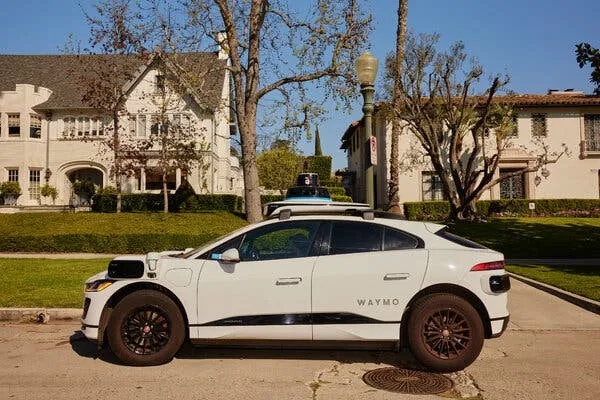
Waymo autonomous transportation is revolutionizing travel from place to place. The advanced AI systems, cameras, sensors, and self-driving capabilities enable Waymo to guide vehicles on roads, without requiring a human driver. The purpose of these driverless cars is to simplify travel, enhance road safety and provide convenient transportation services.
With the company's ongoing expansion of its robotaxi offering, more and more are getting a glimpse into the world of autonomous vehicles. But issues like safety, trust, law & regulation and operating costs must be addressed.
As Waymo continues to make strides in the field of self-driving technology, it becomes increasingly clear how these advancements may impact the future of transportation.
You May Also Like: Can Waymo Solve Urban Traffic and Pollution Problems?
Waymo: A Pioneer in Self-Driving Technology
Waymo's story started in 2009 beneath Google's yearning "Venture Chauffeur." What begun as an test activity before long got to be one of the most promising independent transportation wanders universally. In 2016, Waymo got to be an free backup beneath Letter set Inc., devoted to creating independent driving innovation for individual vehicles, ride-hailing, coordinations, and beyond.
Waymo's innovation spins around Waymo Driver, an progressed framework joining sensors, cameras, LiDAR, and AI-powered program able of exploring complex urban situations without human mediation. After over 20 million miles of real-world independent driving and billions of mimicked miles, Waymo has demonstrated that self-driving vehicles are no longer science fiction — they're operational today.
The Current State of Waymo's Independent Fleet
In 2020, Waymo propelled Waymo One, the world's to begin with completely independent ride-hailing benefit working in Phoenix, Arizona. Not at all like other companies that still require a human reinforcement driver, Waymo's vehicles have been transporting paying travelers without anybody behind the wheel.
Currently, Waymo operates:
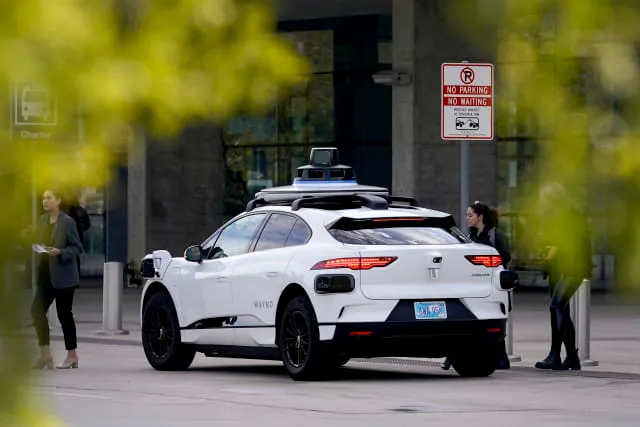
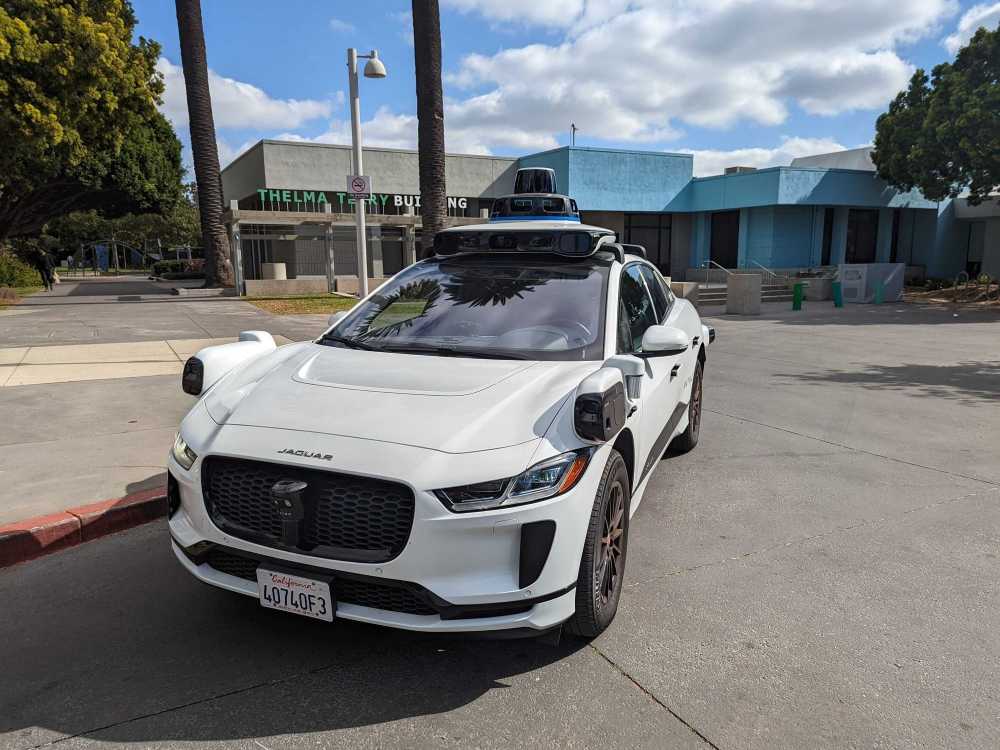
- Autonomous taxis (altered Chrysler Pacifica minivans and Puma I-PACE electric vehicles)
- Autonomous cargo administrations beneath Waymo By means of, centering on trucking and conveyance logistics
- Ongoing testing in cities like Phoenix, San Francisco, and Los Angeles
While constrained in geographic scope for presently, Waymo's independent armada speaks to a basic testing ground for the future of self-driving transportation in complex, real-world conditions.
The Future of Waymo Independent Transportation: Key Trends
As we see ahead, a few patterns and advancements will characterize Waymo's part in reshaping how we travel.
1. Extension Past Pilot Cities
Today, Waymo's completely driverless operations are essentially restricted to Phoenix, with testing in other urban centers. The another stage will see a progressive extension into:
Major metropolitan zones with tall request for ride-hailing
Suburban locales where independent conveyance administrations can thrive
Interstate interstates for independent cargo trucking
This extension depends on administrative endorsement, foundation status, and persistent advancements in vehicle AI execution over diverse landscapes and activity conditions.
2. Independent Coordinations and Cargo: Waymo Via's Potential
While traveler transportation garners much open consideration, independent cargo holds enormous financial guarantee. Through Waymo Through, the company points to revolutionize supply chains by sending self-driving trucks able of long-haul operations without driver weariness or planning limitations.
The future may see Waymo collaborating with major coordinations firms to automate:
- Highway cargo transport
- Last-mile conveyances in urban centers
- Warehousing and merchandise dispersion networks
- By decreasing conveyance times, operational costs, and outflows, independent trucking seem change worldwide commerce as essentially as e-commerce has.
Read Also: Exploring the Future of Waymo Autonomous Vehicles
3. Integration with Electric Vehicles and Maintainability Goals
As cities around the world set driven carbon lack of bias targets, electric vehicles (EVs) and independent transport will cross. Waymo's utilize of electric Puma I-PACE SUVs for its ride-hailing armada reflects a vital arrangement with future of Waymo autonomous transportation.
- In the future, we can expect:
- Full jolt of Waymo's independent fleet
- Collaboration with EV producers to make purpose-built independent vehicles
- Synergies between self-driving innovation, EV charging foundation, and keen cities
- This merging guarantees not as it were more secure transportation but greener, cleaner urban versatility ecosystems.
4. Progressed Security Through AI and Machine Learning
Safety remains the beat need for independent vehicle advancement. Waymo's broad reenactment environment and real-world driving information persistently prepare its AI frameworks to handle:
- Complex activity scenarios
- Pedestrian interactions
- Unexpected deterrents and street conditions
- Weather variations
Future emphasess of Waymo Driver will consolidate more progressed neural systems, sensor innovation, and prescient models, making independent transport more secure than human-driven vehicles. Long-term, independent vehicles may contribute to altogether diminished activity mischances, which still claim over 1.3 million lives every year worldwide.
5. Administrative and Open Appropriation Challenges
- Despite innovative advance, far reaching independent transportation faces obstacles, including:
- Evolving lawful systems for self-driving vehicles
- Public skepticism or resistance to driverless technology
- Infrastructure adjustment to bolster independent fleets
Waymo, along with policymakers and city organizers, will play a significant part in teaching communities, building believe, and forming controls that adjust advancement with open safety.
Anticipating these challenges, Waymo effectively collaborates with government offices, backing bunches, and urban organizers to cultivate dependable independent vehicle integration.
How Independent Transportation Seem Rethink Urban Life?
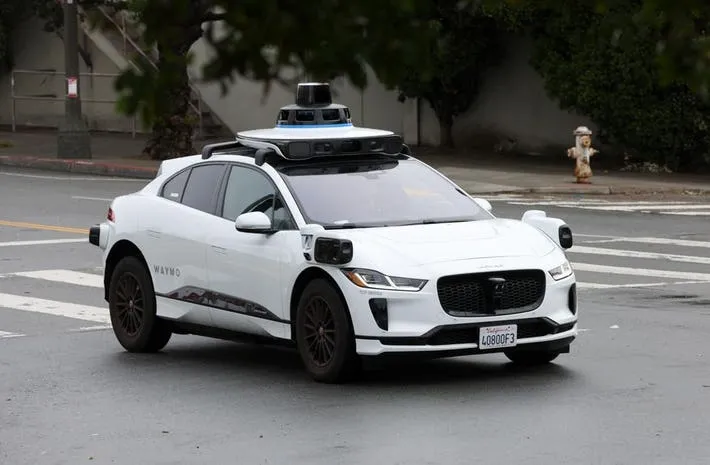
If Waymo's vision comes to fulfillment, independent vehicles will profoundly modify city life:
- Diminished Activity Clog – AI-driven armada administration optimizes vehicle stream, diminishing gridlock.
- Expanded Openness – Independent transport gives portability arrangements for the elderly, debilitated, or those without licenses.
- Lower Transportation Costs – Over time, shared independent administrations seem decrease ride-hailing costs and kill car possession for many.
- Progressed Street Security – Less human mistakes cruel less mishaps, wounds, and fatalities.
- Modern Urban Arranging Openings – Decreased stopping request and more astute activity administration empower more pedestrian-friendly cities.
In this future, independent transportation isn't fair around supplanting drivers — it's almost making more intelligent, more secure, and more comprehensive portability networks.
Read: Is Tesla Going to Launch Something Like Waymo?
Global Competition and Waymo's Competitive Edge
- While Waymo leads the U.S. advertise, worldwide players are dashing to convey independent vehicles, including:
- Tesla's Full Self-Driving (FSD) initiative
- Cruise, sponsored by Common Motors
- Mobileye, centering on independent frameworks for manufacturers
- Chinese companies like Baidu and AutoX growing in Asia
Waymo's competitive focal points include:
- Over a decade of advancement experience
- Billions of independent test miles
- Exclusive AI and sensor technology
- Real-world operational administrations in complex urban environments
- These components position Waymo as a imposing contender in the independent transportation race.
Conclusion: When Will Waymo's Vision Become Mainstream?
While fully autonomous vehicles are already operational in controlled environments, mainstream adoption remains gradual. Experts predict:
- Expanded commercial autonomous services by 2030
- Autonomous freight logistics scaling within the next 5-7 years
- Personal autonomous vehicle availability for consumers within the next decade (subject to regulatory approvals)
Waymo's consistent progress signals that autonomous transportation is no longer hypothetical — it's an imminent reality. By combining cutting-edge AI, strategic partnerships, and a safety-first approach, Waymo is poised to lead this transformative mobility shift.
The future of transportation is autonomous, electric, and AI-driven — and Waymo is steering the world toward that future of Waymo autonomous transportation.
FAQs
1. What is the future of Waymo autonomous transportation?
The future of Waymo autonomous transportation focuses on expanding self-driving taxi services, improving AI technology, and making driverless travel more convenient and accessible
2. How does Waymo's self-driving technology work?
Waymo uses artificial intelligence, cameras, sensors, and lidar to detect objects, understand road conditions, and help its vehicles navigate traffic
3. Are Waymo autonomous vehicles safe?
Waymo uses multiple sensors and safety systems to help its vehicles respond to road conditions, but no driving technology is completely risk-free
4. What are the main benefits of Waymo robotaxis?
Waymo robotaxis may offer convenient transportation, reduce the need for a human driver, and improve mobility options for some passengers
5. What challenges could affect the growth of Waymo?
Waymo faces challenges such as government regulations, public trust, operating costs, complex road conditions, and the need to expand its service areas safely